


- Government launches UGX 28bn revolving fund to finance creatives through artist-led SACCOs.
- Loans attract low interest and are backed by training in business and intellectual property management.
- Initial funding was scaled down from UGX 60bn to test systems before future expansion.
Government has reaffirmed its commitment to transforming Uganda’s creative sector through the implementation of the UGX 28 billion Creative Uganda Revolving Fund, describing it as a strategic investment in jobs, culture and economic growth.
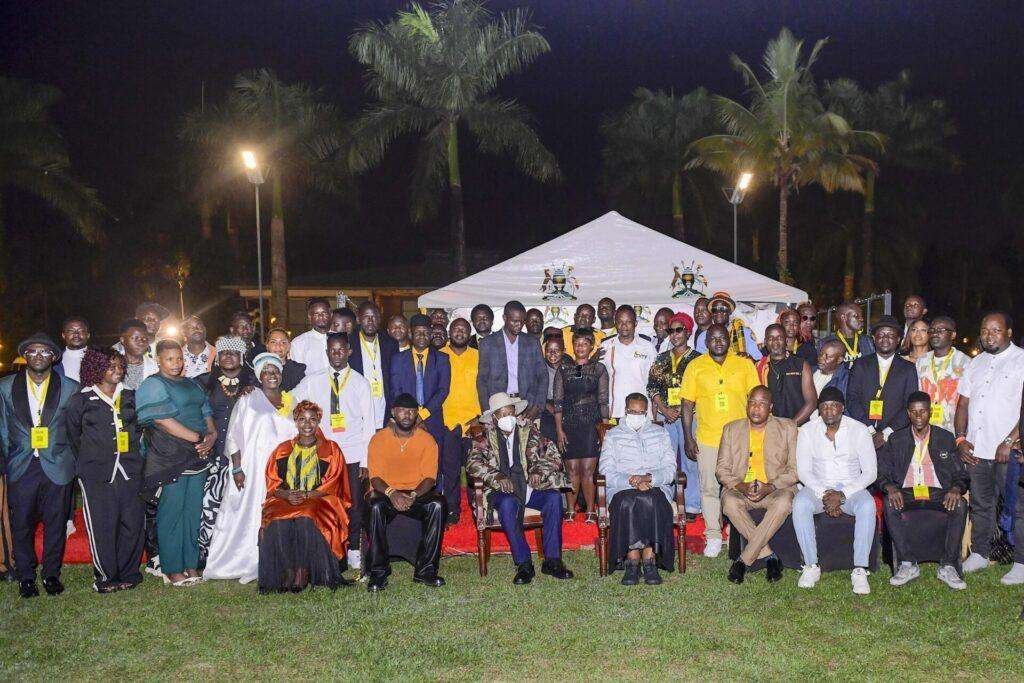
While addressing the media at the Uganda Media Centre, the Minister of State for Gender and Culture, Hon. Peace Regis Mutuuzo, said the fund is meant to solve one of the biggest challenges facing creatives — lack of affordable financing.
“For many years, creatives have operated with talent but without capital,” Mutuuzo said. “This intervention is designed to help them formalise their businesses, expand production and earn sustainably from their work.”
The funds, allocated in the 2025/2026 national budget, will be disbursed through verified, artist-led SACCOs. UGX 5 billion has been earmarked for musician SACCOs under the Uganda National Musicians Federation, another UGX 5 billion for strengthening copyright management systems, while UGX 18 billion will support SACCOs serving nine other creative fields, including film, fashion, publishing, visual arts and digital innovation.
RELATED ARTICLES
Government officials explained that the fund will operate as a revolving facility, with loans issued at a low interest rate of five percent and flexible repayment terms suited to the nature of creative work.
“This is not free money,” Mutuuzo noted. “It is affordable financing that must be repaid so that many more creatives can benefit in the future.”
The minister revealed that although the creative sector had initially proposed a UGX 60 billion allocation, government opted to release UGX 28 billion in the first phase to allow systems to be tested and accountability strengthened before scaling up.
Veteran musician Ragga Dee, who is part of the National Cultural Forum, confirmed that sector leaders engaged government extensively on the structure of the fund. He said emphasis was placed on transparency and ensuring funds are channelled through credible SACCOs.
“Our role is to make sure there is honesty and accountability,” Ragga Dee said, adding that the phased approach would help build confidence in the programme.
So far, UGX 9.5 billion has already been disbursed to implementing partners, while an additional UGX 2 billion has been released to support the development of a national copyright management system aimed at improving artists’ earnings.
Government has also tied the fund to capacity-building programmes, including financial literacy, business management and intellectual property training, to improve sustainability and loan repayment.
“This is a historic step,” Mutuuzo said. “It shows government recognises creativity as real work and a serious contributor to the economy, not just entertainment.”