

TAKEAWAYS
- Norbert Mao says Uganda’s Parliament is too large and expensive to maintain.
- Proposed constitutional reforms could reduce MPs from over 500 to about 300.
- Ugandans have welcomed the proposal as a way to cut government expenditure.
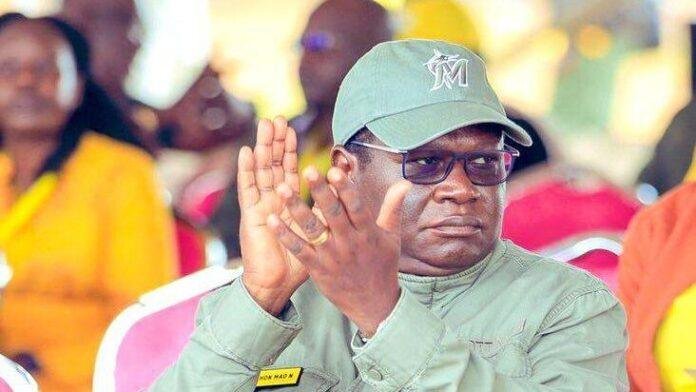
The Minister of Justice and Constitutional Affairs, Norbert Mao, has raised concern over the growing size of Uganda’s Parliament, saying the country can no longer sustain the financial burden of maintaining more than 500 Members of Parliament.
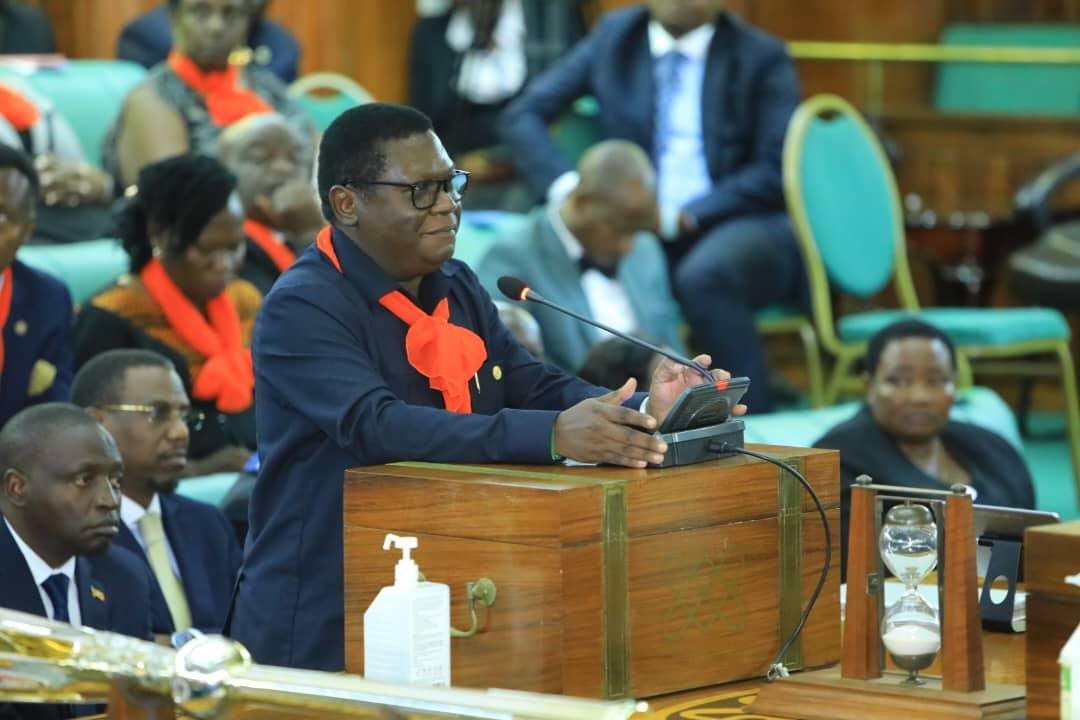
Uganda currently has one of the largest parliaments in Africa, with legislators representing constituencies, special interest groups, and different sectors of the population. Over the years, many Ugandans have criticized the increasing number of MPs, arguing that the cost of facilitating them is too high compared to the services delivered to citizens.
Speaking during an interview, Mao revealed that reducing the size of Parliament is among the constitutional reform proposals currently being handled by his ministry. According to him, the reforms are intended to address public concerns about governance, elections, and peaceful political transition.
RELATED ARTICLES
“We cannot afford this size of Parliament. It’s common sense. You must have a kind of Parliament that you can afford,” Mao said.
The minister explained that the proposed reforms would also seek to create a fairer and less expensive electoral system. He noted that one of the suggestions on the table is to have each Member of Parliament represent approximately 150,000 Ugandans.
“With a population of about 45 million people, the size of Parliament would go down to around 300 members, which I believe Uganda can afford,” he added.
Mao further stated that nearly 80 percent of the proposed constitutional reforms are already under discussion and are aimed at addressing citizens’ anxieties about free and fair elections, governance, and peaceful transfer of power.
His remarks come at a time when public frustration over government expenditure continues to grow, with many Ugandans welcoming the proposal as a step toward reducing what they describe as extravagant spending in Parliament.
Interestingly, Mao’s own constituency of Laroo-Pece was recently carved out of Gulu City, highlighting the ongoing expansion of electoral areas even as discussions about reducing parliamentary numbers continue.