

Takeaways
- Businessman Frank Gashumba sparked a massive debate after claiming he would prefer a long-term dictator over frequent democratic elections.
- During a viral TikTok interview, Gashumba argued that African nations must prioritize service delivery like water and health over voting.
- The entrepreneur pointed to the rapid development of China and the UAE as proof that Western-style democracy is not required for progress.
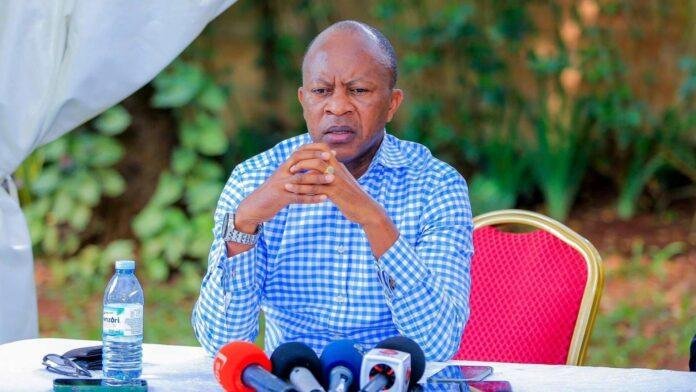
Businessman Frank Gashumba has revealed that he does not believe in democracy as a system of governance, arguing that African countries should prioritise service delivery and development over holding elections every five years.
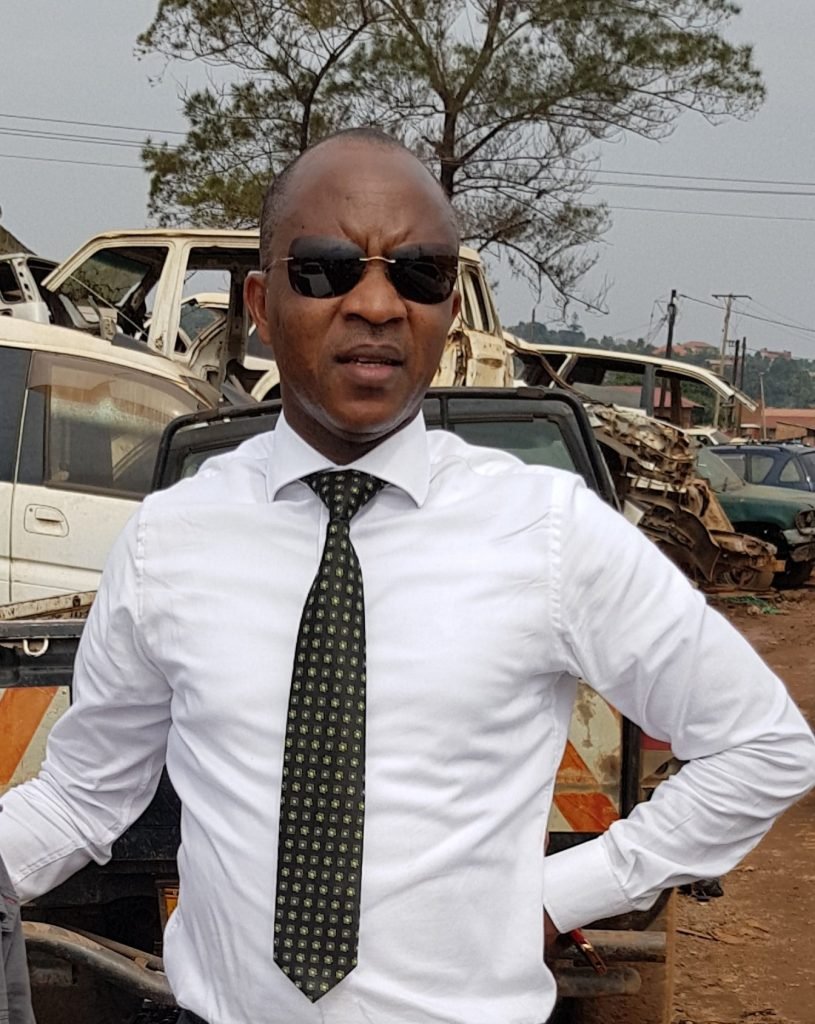
Gashumba questioned the value of regular elections when ordinary citizens continue to struggle with basic necessities such as reliable electricity, clean water, quality education and functional healthcare facilities.
According to the businessman, leadership should be judged by what it delivers to citizens rather than how frequently political leaders are elected. He made the remarks while appearing on a podcast interview that was shared on TikTok.
Gashumba cited countries such as the United Arab Emirates and China as examples of nations that have pursued development under political systems that differ from Western-style multiparty democracy.
RELATED ARTICLES
Using Dubai and Abu Dhabi as examples, he questioned when the two cities last held conventional elections, arguing that their development should prompt African leaders to rethink their understanding of governance.
He further argued that ordinary citizens are more concerned about their daily lives than the political leadership of other countries.
“Ordinary Ugandans, ordinary Kenyans don’t care who is the president of a country. Do they have running water? Do they have functioning hospitals? Good schools?” he asked.
Gashumba went on to make his position even clearer, saying he would rather have a leader who remains in power for decades but ensures that citizens receive essential services.
“I would rather have a dictator for 25 years. When I fall sick at 3 a.m., there’s a doctor that will attend to me,” he said.
He also referenced China’s founding leader Mao Zedong, claiming that democracy would only come to China 300 years after his death, as he challenged the assumption that multiparty elections are necessary for national development.
Gashumba expressed frustration with what he described as the benefits that political elites derive from electoral processes, while ordinary citizens see little improvement in their living conditions.
“Every after five years, there is a group of individuals who benefit from those elections, not the ordinary Africans,” he added.
His remarks raise questions about the relationship between democracy, accountability and development, particularly in African countries where citizens continue to demand better public services and improved living standards.