

TAKEAWAYS
- Mugalu says he is not a savior and cannot carry everyone’s burdens
- Defends a quiet, strategic approach over confrontation
- Responds to critics accusing religious leaders of silence and state alignment
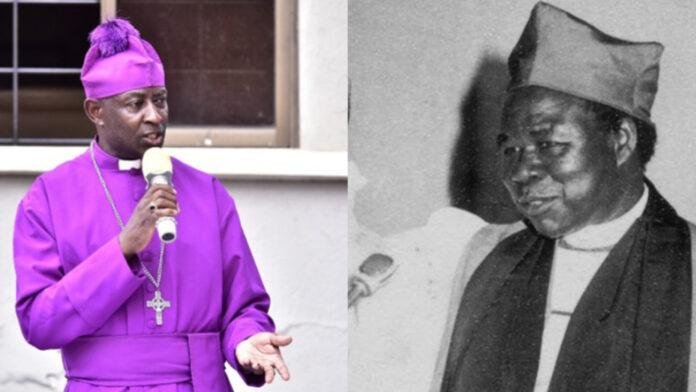
The Archbishop of the Church of Uganda, Rt Rev Stephen Kaziimba Mugalu has lashed at all those telling him to live like the late Archbishop of the Church of Uganda Rt Rev Janani Luwum.
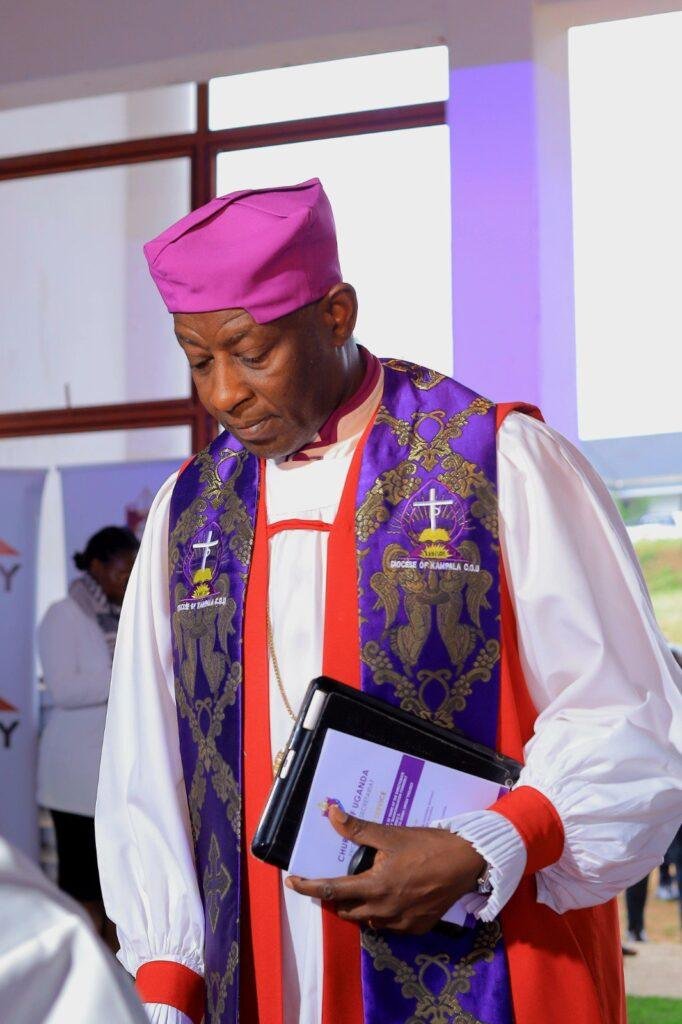
During a sermon, Mugalu said that he is not called to carry everyone’s burdens or to act as a savior.
“I am a person, I need life also. I have a life to live. I am not a savior. I am not here to carry all your problems. You take them to the cross, I do my part and leave them to God,” he said.
Mugalu pushed back against comparisons with Luwum, who is remembered for his bold stand against injustice, a stance that ultimately cost him his life.
RELATED ARTICLES
“You can speak and speak and speak with no impact. John the Baptist spoke and did a good job, but he lost his head and the mission ended there,” Mugalu noted.
He instead emphasized a different approach—one he believes can yield results without unnecessary confrontation.
“You can do God’s work by approaching power with love, quietly and wisely. Not every time we use one approach,” he said.
His remarks come at a time when various religious leaders have in the past couple of days been criticized by oppressed citizens for keeping quiet about their plight and allegedly siding with their oppressors. Many have been accused of being in bed with the state, prioritizing personal gain such as luxurious cars instead of holding the government accountable.
But according to Mugalu, effectiveness in ministry is not about loud activism.
“People shout and shout but end up doing nothing. Impact is not always about making noise,” he said, adding that different situations require different strategies.
He also questioned calls for him to emulate fallen figures.
“Some people ask why I don’t do like Janani Luwum. The man was killed—do you think I can make impact that way?” he asked.
Mugalu maintained that his role is to serve faithfully, not to meet public expectations shaped by history.