TAKEAWAYS
- Performing a song does not mean owning its copyright.
- Songwriters and producers hold primary copyright unless rights are transferred.
- Legal agreements are essential for recognition and protection of creative work.
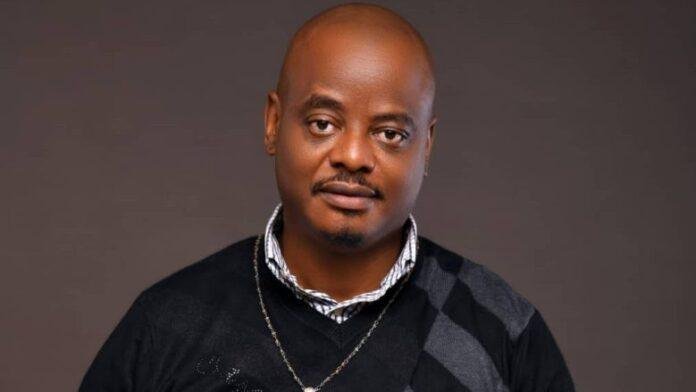
Talent manager Emma Carlos Mulondo has stepped forward to clarify the often-misunderstood distinction between copyright ownership and neighbouring rights, following the recent passing of Uganda’s Copyright Bill.

While the law has been widely celebrated as a milestone for the creative industry, many artists and stakeholders remain unclear about its actual implications. According to Emma Carlos, this gap in understanding could lead to serious misunderstandings about ownership and earnings in the music business.
Using Sheebah Karungi’s hit song Nakyuka as an example, he explained that performing a song does not automatically grant ownership of its copyright. He noted that the track was written by Kalifah AgaNaga and produced by Nessim, meaning the core copyright belongs to them—not the performing artist.
“People confuse fame with ownership. Just because you are the face of a song doesn’t mean you own its copyright,” Emma Carlos explained.
RELATED ARTICLES
He emphasized that artists like Sheebah only hold neighbouring rights, which relate to performance and public presentation of the work, rather than its creation.
“For an artist to fully own a song, they must legally acquire those rights from the songwriter and producer. And even then, moral rights remain with the original creators,” he added.
Emma Carlos also stressed the importance of formal agreements, warning that undocumented arrangements have no legal standing.
As Uganda’s music industry continues to evolve, experts say understanding these distinctions is crucial for artists seeking to protect their work and income.