
TAKEAWAYS
- Eddy Kenzo has criticized the UPRS royalty distribution system after Weasel received Ugx 285,498 for 18 months of music royalties.
- He argued that artists deserve a transparent and fair system for sharing royalties collected from businesses that play their music.
- Kenzo also questioned UPRS’s explanation that unregistered songs affected the payout and called for accountability over how artists’ music is registered and compensated.
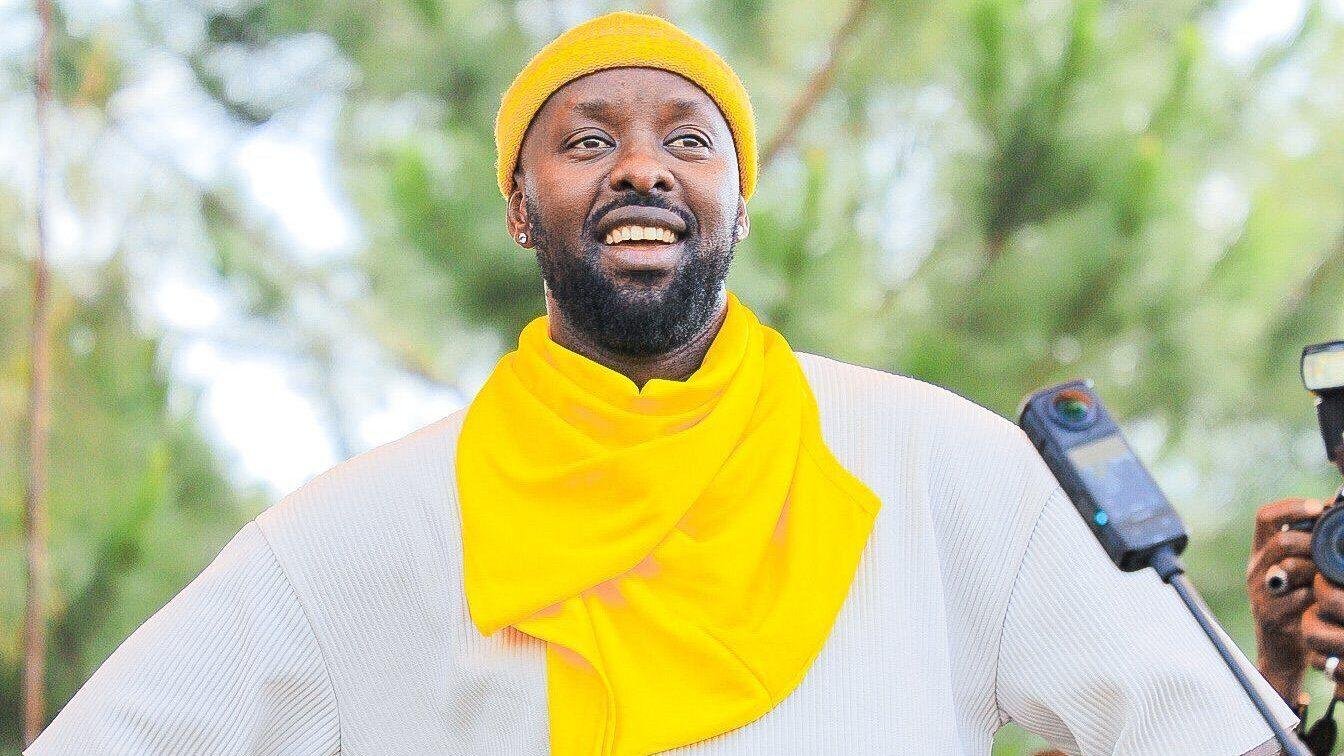
Eddy Kenzo has weighed in on the controversy surrounding the Uganda Performing Right Society (UPRS) after Goodlyfe singer Weasel reportedly received Ugx 285,498 in music royalties covering an 18-month period.

The award-winning musician said the discussion should not be about whether he personally receives royalties but rather about ensuring that every artist is paid fairly for the use of their music.
“I personally didn’t receive anything from UPRS. Our work together with UPRS is to make sure that all artists get fair pay,” Kenzo said.
He claimed the constitution governing UPRS was drafted by individuals pursuing personal interests, resulting in a system that he believes does not adequately serve musicians.
RELATED ARTICLES
“The people who drafted it had different interests and made the government make a mistake that was a bit selfish. Whatever they drafted was in their own interest,” he said.
According to Kenzo, UPRS collects royalties from bars and other establishments that play artists’ music, but the process used to distribute the collected funds lacks transparency.
“They collect money from different bars on behalf of artists, but there is no proper alignment on how much each artist should receive,” he explained.
Kenzo described Weasel’s payout as disrespectful, considering the widespread popularity of the Goodlyfe catalogue across Uganda.
“To be honest, it’s a total disrespect to Weasel because his songs have been played around the whole country from border to border,” he said.
UPRS defended the payout by explaining that some of Goodlyfe’s songs had not been registered, affecting the royalties that could be distributed. However, Kenzo questioned both the registration process and the amount paid to artists whose music is registered.
“Who registers this music, and those that have registered, how much did they actually get?” he questioned, calling for greater accountability and transparency in the management of artists’ royalties.