
TAKEAWAYS
- Joshua Baraka says recording dead bodies, coffins and grieving families for social media violates their privacy.
- The singer questions why someone’s grief should be turned into content for likes, comments and engagement.
- Dokta Brain supports regulating cameras at public events, arguing that not everyone wants to appear on social media.
Ugandan musicians Joshua Baraka and Dokta Brain have spoken out against content creators who record and share unauthorized footage of people and families during burials, describing the practice as disrespectful, invasive and completely uncalled for.
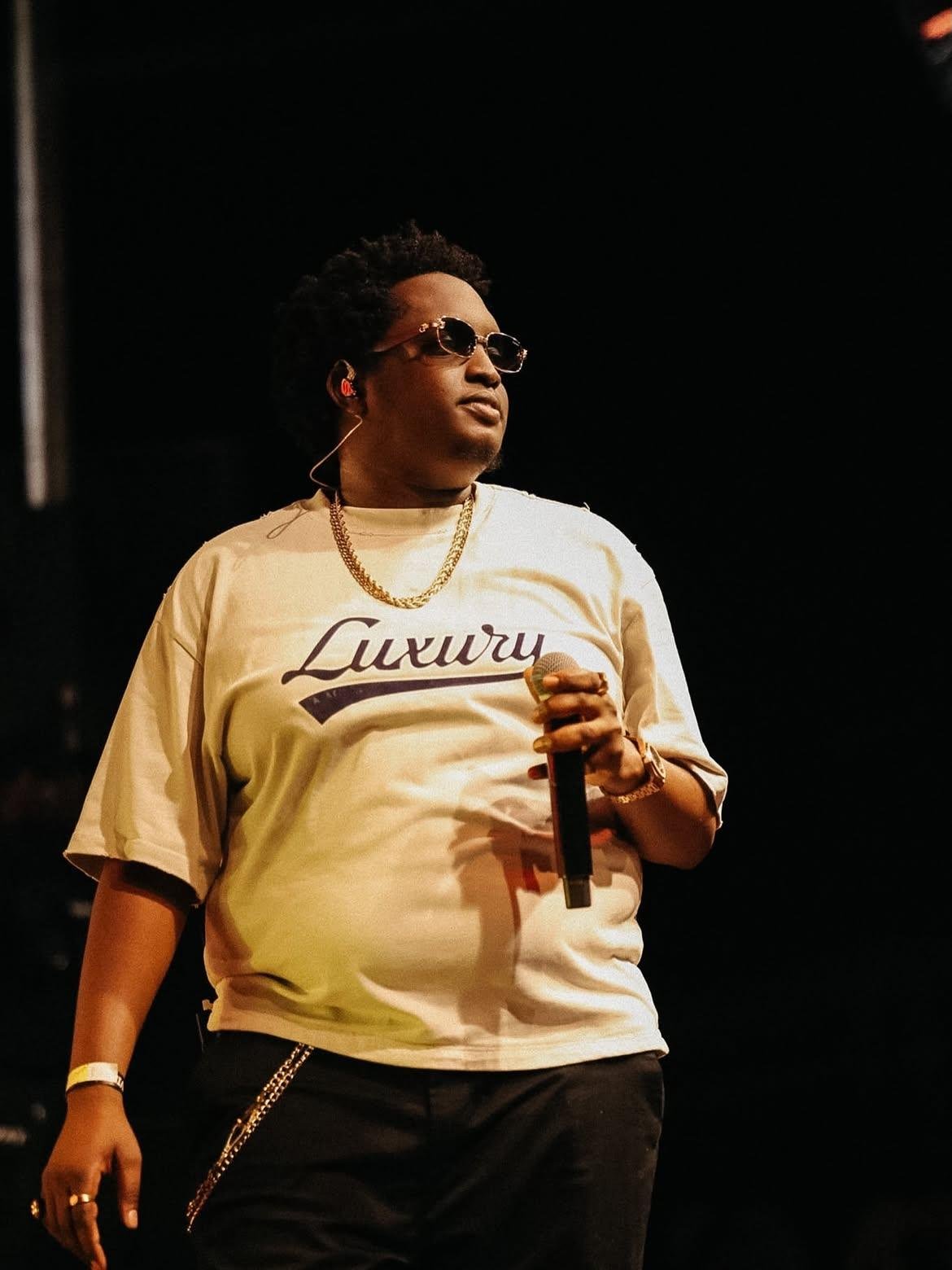
Joshua Baraka questioned how someone’s grief could be turned into social media content simply for likes, comments and engagement.
“I feel like people have taken it too far. There’s no reason why you should be recording a dead person for your content because it violates privacy,” he said, adding that nobody should be making money from another person’s grief and pain.
The singer also criticized creators who record every detail of a burial, saying some even go as far as attempting to film inside graves.
RELATED ARTICLES
“This is very stupid and uncalled for. There’s no room for this in our society,” Baraka said.
He further highlighted the emotional impact such content can have on grieving families, imagining the pain of losing a loved one only to later encounter videos of their coffin, body or grieving relatives while scrolling through TikTok.
“Imagine you’ve lost someone and you’re scrolling through TikTok, you’re seeing their coffin, body, and your family crying,” he said, questioning the sense behind such content and describing it as highly disrespectful.
Dokta Brain shared similar sentiments, arguing that the widespread use of cameras and the pressure to create content has turned some creators into public nuisances.
He also expressed support for regulating the use of cameras at public events such as concerts, noting that not everyone attending an event may want to appear on social media for personal reasons.
The two artists’ comments come amid growing concerns about the boundaries content creators should observe when documenting sensitive personal moments and public events for social media.