


TAKEAWAYS
- Frank Gashumba made the remarks during Bruno K’s TikTok Live.
- He questioned pastors accused of exploiting believers instead of helping the poor.
- His comments have sparked support from social media users concerned about religious accountability.
Frank Gashumba has taken aim at pastors accused of exploiting vulnerable Ugandans, saying that if heaven exists, he believes he will get there before many of those claiming to preach the gospel.
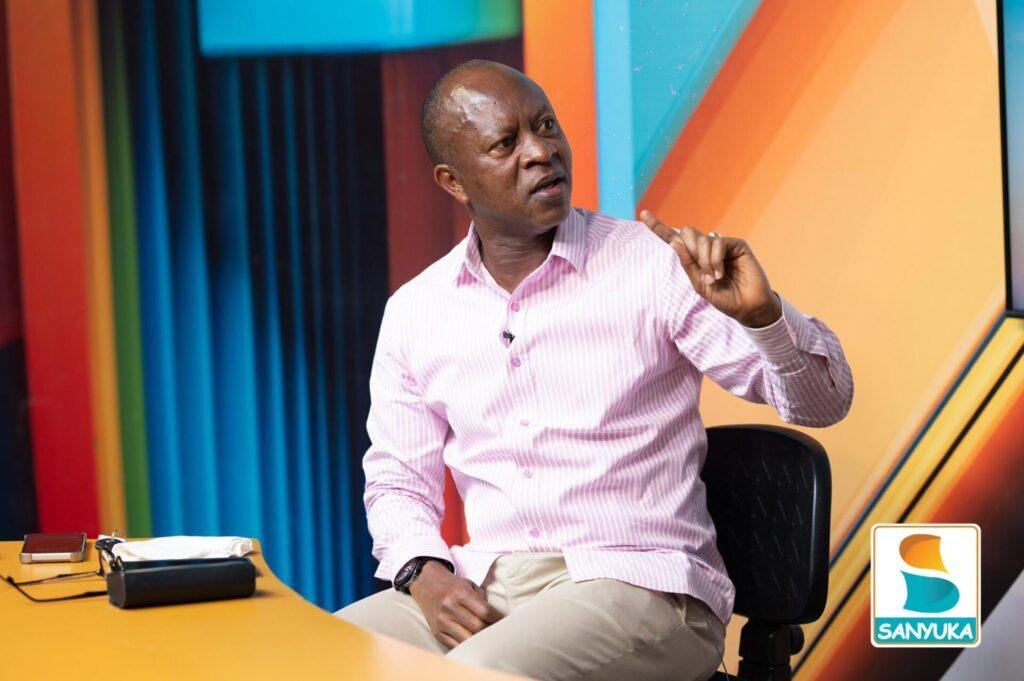
Speaking during an appearance on Bruno K’s TikTok Live, Gashumba questioned the conduct of religious leaders who collect money from struggling believers while allegedly failing to help the poor and needy.
Although he admitted that he was not particularly good at quoting Bible verses, Gashumba referred to a biblical passage in which people who claimed to have done God’s work were questioned about their actions on earth.
He explained that the individuals defended themselves by claiming they had served God, only for Jesus to question whether they had actually helped those in need.
RELATED ARTICLES
“I am not good at quoting verses,” Gashumba admitted, as he explained the message he believed the scripture conveyed.
According to him, the central question was whether those claiming to represent God had fed the hungry, helped the poor and supported vulnerable members of society.
Gashumba argued that genuine service to God should be demonstrated through practical acts of kindness rather than simply preaching to congregations or collecting offerings.
“Which poor person did you feed or help?” was the question he highlighted as the ultimate test of whether someone had truly done God’s work.
The media personality consequently expressed confidence that his own good deeds would earn him a place in heaven ahead of religious leaders who allegedly use their positions to exploit believers.
His remarks come amid ongoing public discussions about religious accountability and concerns over some pastors accused of taking advantage of financially struggling followers.
Many social media users have agreed with Gashumba’s sentiments, arguing that religious leaders should prioritise helping vulnerable communities instead of using faith to enrich themselves.