


Takeaways
- Kyarisiima Israel called for investment in esports infrastructure, youth talent development and public-private partnerships to grow Africa’s gaming industry.
- He identified infrastructure, organised competitions and investor confidence as key priorities for creating jobs and sustainable opportunities for young people.
- Israel said Uganda could help lead esports development in East Africa by supporting local talent, gaming businesses and international partnerships.
Ugandan youth leader and esports advocate Kyarisiima Israel has called for increased investment in esports infrastructure, youth talent development and public-private partnerships to help Africa establish itself as a competitive force in the global gaming industry.

Speaking at the Gaming Event Francophone Africa in Dakar, Senegal, organised by Eventus International Ltd, Israel said Africa has the youthful population, talent and entrepreneurial potential to develop a sustainable gaming industry but needs stronger infrastructure, investment and commercial structures to unlock its opportunities.
He urged stakeholders to move beyond viewing gaming solely as entertainment and recognise its potential to create jobs, develop digital skills, attract investment and support youth entrepreneurship.
“Africa does not lack gaming talent or young people with ambition. What we need is the infrastructure, investment, and commercial structure to turn that talent into an industry,” he said.
RELATED ARTICLES
The Next Generation Is Reshaping Esports
Israel noted that the global gaming industry is expanding beyond competitive play, with young people exploring careers as professional esports athletes, content creators, coaches, tournament organisers, entrepreneurs and other industry professionals.
He said this shift presents Africa with an opportunity to connect its youthful population to the global digital economy through structured training, professional development and commercial opportunities.
“The future is not just about producing better players. It is about building an industry where young people can turn their passion into sustainable livelihoods,” Israel said.
He added that realising this potential requires investment in talent development, coaching, competitive opportunities, sponsorship and professional career pathways.
Without such structures, he warned, talented African players could continue to face limited opportunities to compete internationally or establish sustainable careers in the industry.
Three Priorities for Building Africa’s Esports Industry
Israel outlined three key priorities for developing a sustainable esports ecosystem across Africa: stronger infrastructure, organised competition and investor confidence.
He called for greater access to gaming facilities, reliable internet connectivity, affordable gaming devices and regular tournaments to help players develop their skills and compete consistently.
He also emphasised the need for professional structures connecting players, teams, game publishers, sponsors, broadcasters, tournament organisers and investors. Such partnerships, he argued, would create a more organised industry with clearer commercial opportunities.
On investment, Israel said stakeholders must demonstrate that esports can support viable businesses, generate employment, attract sponsorship and create opportunities across technology, media, entertainment and digital entrepreneurship.
He stressed that Africa’s ambitions should extend beyond participating in international tournaments to developing local gaming companies, producing content, organising regional competitions, building digital platforms and creating intellectual property that can compete in global markets.
“Africa should not just be the next market for esports. We should also be a place where esports businesses, talent, and intellectual property are developed,” he said.
Uganda’s Opportunity to Lead East Africa
Drawing on Uganda’s potential, Israel said the country could position itself as a gateway for esports investment and development across East Africa.
He cited Uganda’s strategic location, youthful population, access to regional markets and opportunities in technology, sports and youth enterprise as potential advantages.
He called for closer collaboration between government and the private sector to establish the foundations of a competitive and commercially sustainable esports ecosystem.
Such partnerships could support gaming facilities, regional tournaments, digital skills programmes, sponsorship opportunities and connections between Ugandan players and businesses and international markets.
Israel added that esports could complement Uganda’s broader efforts to expand its digital economy and create employment opportunities for young people in emerging industries.
He emphasised that the goal should not simply be to attract international gaming brands to Africa, but also to empower African entrepreneurs to establish businesses, develop talent and participate across the industry’s value chain.
With the right partnerships and investment, he said, Uganda and the wider East African region could benefit from the continued growth of gaming and esports worldwide.
Leadership, Stability and the Next Generation
Israel also linked youth entrepreneurship and technological innovation to national leadership and long-term development, highlighting the importance of preparing young people to build on existing foundations.
Reflecting on Uganda’s development, he recognised President Yoweri Kaguta Museveni’s leadership in establishing a foundation of peace, stability and national development. He also referenced Gen. Muhoozi Kainerugaba in discussing the importance of a new generation of leadership.
“Under the leadership of H.E. President Yoweri Kaguta Museveni, Uganda has built a foundation of peace, stability, and national development. And as we look to the future, we recognise the importance of a new generation of leadership represented by Gen. Muhoozi Kainerugaba,” Israel said.
“For us as young people, the responsibility is to build on the foundation laid by one generation and use technology, innovation, and entrepreneurship to create opportunities for the next.”
He added that a lasting legacy should be measured not only by what one generation achieves but also by the opportunities it creates for those who follow.
In esports, he said, this means creating an environment where young people can turn their digital interests and technical abilities into businesses, valuable skills, international competition and contributions to national development.
Turning Africa’s Gaming Potential into Economic Opportunity
Discussions at the Dakar event highlighted the need to transform Africa’s growing interest in gaming into a structured and commercially viable industry.
According to Israel, this will require a combination of youth talent, investment, infrastructure, professional organisation and supportive partnerships.
Beyond esports competition, the industry offers potential opportunities in event management, broadcasting, marketing, software development, content production, digital payments and gaming technology.
These areas could create new career paths for young people seeking opportunities in the digital economy, provided the necessary infrastructure and professional systems are developed.
Israel urged governments, investors, businesses and youth organisations to move beyond acknowledging gaming’s popularity and focus on building the structures required for long-term growth.
He said Africa’s ambition should extend beyond participation to ownership, with greater support for homegrown talent, locally developed businesses, original intellectual property and sustainable commercial models.
A Continental Vision for Esports
Israel’s contribution at the Gaming Event Francophone Africa in Dakar highlighted the importance of cooperation among African countries, private investors, technology companies and youth-led initiatives.
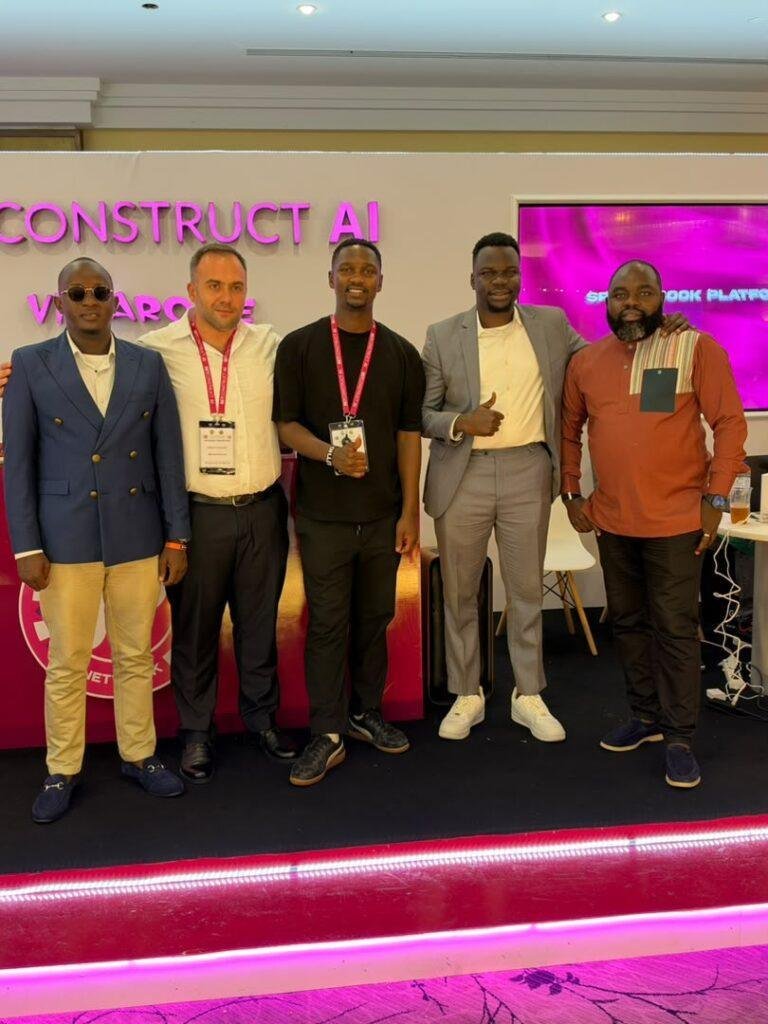
As the global gaming industry evolves, he said, Africa has an opportunity to shape its own position in the sector rather than remain primarily a consumer of products and services developed elsewhere.
For Uganda and East Africa, this means investing in talent, expanding professional opportunities and building partnerships that connect local innovation with international markets.
Ultimately, the success of African esports will depend not only on the number of players competing in tournaments but also on the businesses established, jobs created, skills developed and opportunities opened for the next generation.
Israel’s message in Dakar was that Africa has the talent and ambition to compete in the global gaming industry, but sustained investment, infrastructure and collaboration will be essential to turn that potential into lasting economic value.