


TAKEAWAYS
- Eddy Kenzo sparked major drama by claiming his hit Mbilo Mbilo actually helped shape the modern West African Afrobeats sound.
- The UNMF president boasted that Uganda holds Africa’s fourth richest musical sound, trailing only Nigeria, South Africa, and DRC.
- Despite acknowledging huge streaming gaps, Kenzo insisted industry insiders confirmed that Ugandan artists are influencing others.
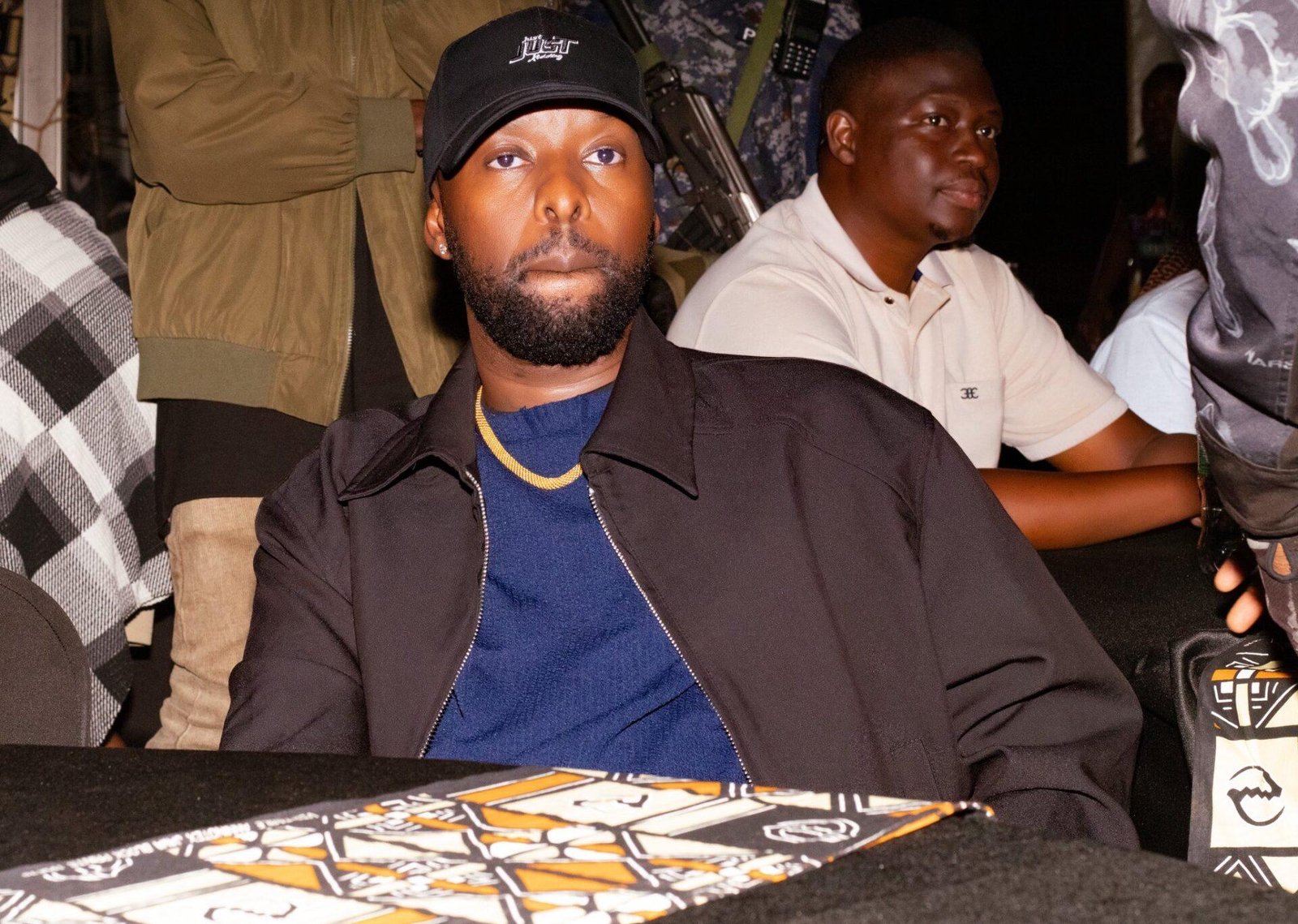
Ugandan music star and Uganda National Musicians Federation (UNMF) president Eddy Kenzo has claimed that his hit song Mbilo Mbilo helped shape the modern Afrobeats sound, particularly in West Africa.
Released in 2015, Mbilo Mbilo became one of Kenzo’s biggest hits, with its remix featuring Nigerian singer Niniola helping the song reach a wider audience across the continent.
Speaking in an interview with Galaxy FM, Kenzo argued that Uganda possesses one of Africa’s richest musical sounds, placing the country fourth behind Nigeria, South Africa and the Democratic Republic of Congo (DRC).
According to the Sitya Loss singer, Ugandan musicians have a unique ability to adapt different musical styles and transform them into something distinctive.
RELATED ARTICLES
He singled out Mbilo Mbilo as an example, claiming that West African producers drew inspiration from its sound and incorporated similar elements into their own productions, which later achieved considerable success.
Kenzo further argued that Uganda’s musical influence extends beyond his own catalogue, claiming that sounds developed by other Ugandan musicians have also been adopted elsewhere and, in some cases, achieved greater commercial success.
He acknowledged that the numbers and millions of views attached to West African songs can make his claims difficult for some people to accept. However, he maintained that conversations with industry players in the region had reinforced his belief.
His remarks are likely to ignite debate among music fans, particularly over the extent of Uganda’s influence on the Afrobeats movement.
Meanwhile, Kenzo has revisited the ongoing charcoal ban debate, calling on the government to provide cheaper cooking alternatives before expecting ordinary Ugandans to abandon charcoal.
“No one wishes to use charcoal,” he said, arguing that production and transportation are difficult and that charcoal smoke can pose health risks.
The singer has also questioned the affordability of cleaner cooking options, maintaining that environmental protection efforts must be accompanied by practical solutions for households that depend on charcoal.