

TAKEAWAYS
- PM Robinah Nabbanja blew the whistle in Parliament, warning that Uganda’s obsession with borrowing is even wrecking simple money transfers.
- The Prime Minister slammed shady moneylenders who allegedly trick people into selling their land instead of admitting they took a loan.
- Nabbanja ranted that debt has become such a huge habit that even wealthy Ugandans are constantly juggling mobile money loans.
Prime Minister Robinah Nabbanja has raised concern over Uganda’s growing borrowing culture, saying the effects of indebtedness have become so widespread that even ordinary money transfers can be affected by people’s outstanding loans.
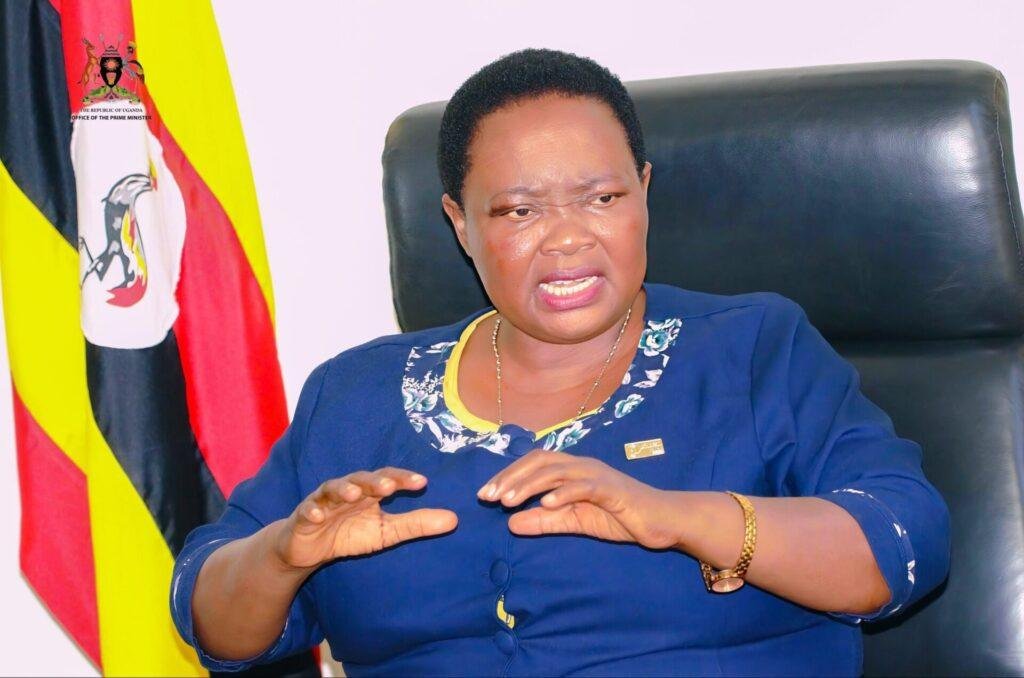
Speaking on the floor of Parliament, Nabbanja referenced the growing dependence on mobile lending services, particularly those associated with MTN, observing that borrowing had become a common experience among Ugandans.
She suggested that the situation had reached a point where people sometimes have to ask which mobile money line to use when sending someone money, because of concerns surrounding outstanding loans.
Nabbanja said the borrowing culture was not limited to people struggling financially, but had also become common among individuals who were otherwise capable of meeting their needs.
RELATED ARTICLES
Beyond mobile lending, the Prime Minister raised concern about moneylenders who allegedly disguise loan agreements as land-sale transactions, putting borrowers at risk of permanently losing their property.
“Instead of writing that you have borrowed, or somebody has lent you money, they say you have sold part of the land,” Nabbanja said.
She expressed concern that the practice was affecting communities across the country and called for Parliament to debate the matter, describing a proposal brought before the House as an opportunity to develop policies that would guide the public and protect borrowers.
She also pointed to the Money Lenders Act, which provides a legal framework for regulating moneylending activities, arguing that Ugandans need greater awareness of their rights and the protections available under the law.
Nabbanja further observed that Uganda is naturally endowed with resources that provide people with different means of survival, questioning the growing dependence on borrowing even where alternative livelihood opportunities exist.
It should be noted that borrowing has become a common recourse for many Ugandans as households grapple with tough economic conditions, rising living costs and competing financial obligations. From mobile lending platforms to informal moneylenders, access to credit has become part of everyday life. However, concerns over repayment terms, interest charges and the security of borrowers’ property continue to raise questions about responsible lending and consumer protection.