

TAKEAWAYS
- The Buganda tradition discouraging handshakes between in-laws traces back to Kabaka MuLondo.
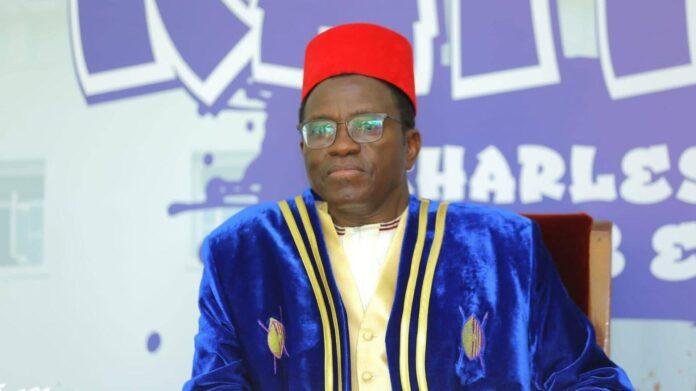
- According to Katikkiro Charles Peter Mayiga, the king introduced the norm after an inappropriate relationship with his mother-in-law.
- The custom was intended to strengthen discipline and respect within marriage and family structures.
There are various traditional norms across Uganda’s ethnic communities, but one particular one among the Baganda has continued to spark curiosity.

Among the Baganda, a man is traditionally not expected to shake hands with his mother-in-law, while a married woman is also discouraged from shaking hands with her father-in-law.
According to Katikkiro Charles Peter Mayiga, this custom dates back to the reign of Kabaka Mulondo.
Speaking about the origin of the practice, Mayiga said the Kabaka himself introduced the restriction after a personal moral failing involving his mother-in-law.
RELATED ARTICLES
“I can’t shake the hand of my mother-in-law, the mother of my wife. And my wife can’t shake my father’s hand, her father-in-law,” Mayiga explained.
He added that the practice “started with Kabaka Mulondo” after the king reportedly had an affair with his mother-in-law and later became remorseful when his officials confronted him.
“And when his officials blamed him, he was remorseful. He decreed that from now on nobody in Buganda is going to shake even the hand of his mother-in-law,” Mayiga said.
The Katikkiro noted that many of Buganda’s traditional guidelines concerning in-laws are believed to have originated from this period.
Mayiga further explained that Mulondo ascended to the throne at a young age and may have married equally young, meaning his mother-in-law could also have been relatively young.
However, beyond the controversy surrounding the story, Mayiga believes the decree reflected the Kabaka’s desire for discipline within marriage.
“When you go deep and understand the origin of this particular norm, you realize how disciplined actually he was and how much discipline he wanted within the marriage setup,” he said.
According to Mayiga, the practice did not exist before Kabaka Mulondo but later became part of Buganda’s marital traditions.