
Takeaways
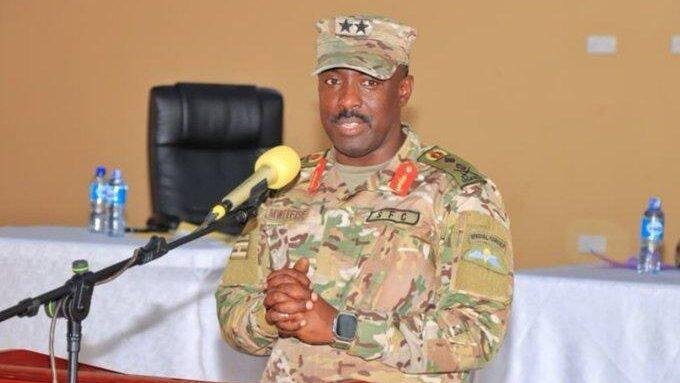
- Major General Nyakikuru just grabbed the top spot as Acting Commander of the Special Forces Command after David Mugisha left.
- The big boss rose through the ranks, having previously served as Deputy Commander and led specialized commando units.
- Nyakikuru is no stranger to heat, bringing heavy combat experience from operations in Somalia, South Sudan, and Uganda.
From military operations in Uganda to regional deployments in Somalia and South Sudan, Major General Asaph Mweteise Nyakikuru has built a career that has prepared him for one of the country’s most sensitive military leadership positions.
Leadership in the military goes beyond rank. It requires operational experience, discipline, sound judgement and an understanding of the responsibilities that come with commanding specialised forces.
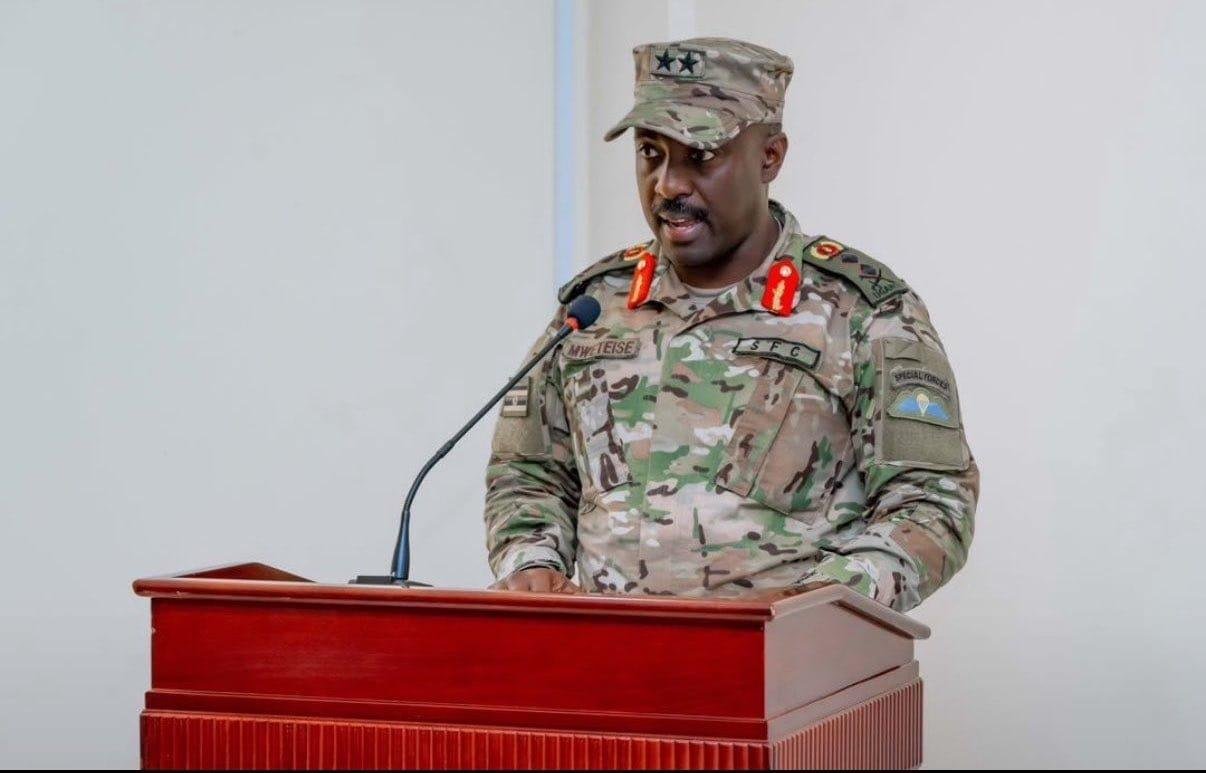
For Major General Asaph Mweteise Nyakikuru, his appointment as Commander of Uganda’s Special Forces Command (SFC) follows years of service within the military, including participation in major operations, command of specialised formations and senior leadership responsibilities within the very institution he now heads.
His career provides insight into the experience and preparation he brings to the position.
RELATED ARTICLES
A career shaped by operational experience
Nyakikuru’s military credentials are rooted in field operations, with his documented participation in major military campaigns dating back to 2005.
He took part in Operation Iron Fist II, the UPDF campaign against the Lord’s Resistance Army (LRA), before participating in counter-insurgency operations against the Allied Democratic Forces (ADF) around the River Semliki area in 2007.
In 2008, he was also involved in Operation Lightning Thunder in the Democratic Republic of Congo (DRC), another major military campaign targeting the LRA.
These operations exposed him to different security environments, demanding military conditions and the complexities of confronting armed insurgencies.
Such experiences formed an important foundation for his subsequent responsibilities in specialised military command.
Regional deployments and international experience
Beyond Uganda, Nyakikuru has also gained experience in regional military operations, particularly in Somalia and South Sudan.
Between 2012 and 2013, he commanded a Special Forces component under the African Union Mission in Somalia (AMISOM).
His unit participated in operations in the Lower Shabelle region, contributing to efforts to restore government authority and counter the Al-Shabaab insurgency.
In December 2013, following the outbreak of civil war in South Sudan, Nyakikuru was deployed under Operation Kalongero.
He commanded a Special Forces component tasked with supporting the protection and evacuation of Ugandan citizens while securing strategic locations.
His unit was credited with contributing to operations in Bor Town and facilitating the safe passage of Ugandans caught up in the conflict.
These assignments exposed him to multinational military operations, regional security challenges and the demands of commanding specialised forces in complex and unpredictable environments.
For an officer expected to lead a command with responsibilities extending beyond conventional military operations, such experience provides an important professional foundation.
He understands the Special Forces Command from within
One of the notable aspects of Nyakikuru’s appointment is his familiarity with the institution he has been entrusted to lead.
Before his elevation, he served as Commander of the Special Forces Commando Force, overseeing Camp Rufu in Kiruhura District, which houses the One Commando Battalion and specialised training facilities.
His time in the formation coincided with an important period in the development of the commando structure.
In 2021, President Yoweri Museveni announced the elevation of the First Commando Battalion into a brigade, expanding its organisational structure and command capacity.
Having served within this formation, Nyakikuru gained experience in its operational structures, training systems, personnel management and command requirements.
This institutional familiarity is particularly important in specialised military leadership, where understanding the personnel, systems and capabilities of a formation is essential to maintaining operational effectiveness.
Rather than taking over an unfamiliar institution, Nyakikuru assumed leadership of a command whose structures and operations he had already been part of.
A steady progression through the leadership structure
His appointment also followed a progression through increasingly senior military responsibilities.
In April 2024, he was promoted from Colonel to Brigadier General.
Two months later, in June 2024, he was appointed Deputy Commander of the Special Forces Command, serving under Major General David Mugisha.
The position gave him additional responsibility in the institution’s administration, leadership and professional development.
Among his public engagements was presiding over the decoration of 104 SFC officers promoted to various ranks in August 2024.
While addressing the officers, he emphasised discipline, commitment, hard work and the responsibility that accompanies promotion.
His involvement in such activities reflected the broader responsibilities of senior command, which extend beyond operational duties to include personnel development and maintaining professional standards.
His subsequent appointment as Acting Commander in August 2026 marked another step in his progression within the institution.
Why his experience matters for the SFC
The Special Forces Command is a specialised military formation with responsibilities that include presidential protection, safeguarding strategic installations and undertaking specialised security missions.
Its leadership therefore requires an officer with a strong understanding of military operations, personnel management, institutional structures and strategic security responsibilities.
Nyakikuru’s career offers several areas of experience relevant to the position:
- Operational experience: His participation in military campaigns in Uganda, Somalia and South Sudan exposed him to different security environments and operational challenges.
- Specialised military command: His previous leadership of commando formations gave him practical experience in managing specialised military personnel.
- Institutional knowledge: Having served as Deputy Commander and held other responsibilities within the SFC, he understands its structures, personnel and operational requirements.
- Personnel development: His involvement in officer promotions and professional activities reflects experience in maintaining discipline and developing military leadership.
- Continuity of command: His progression within the SFC provides an opportunity to maintain institutional knowledge while building on the work of previous commanders.
Together, these experiences provide a basis for understanding why his career progression has positioned him for the responsibility of leading the command.
A new chapter for the Special Forces Command
On 3 August 2026, Chief of Defence Forces General Muhoozi Kainerugaba appointed Nyakikuru Acting Commander of the Special Forces Command following the planned departure of Major General David Mugisha for strategic military studies abroad.
The appointment also saw him elevated to the acting rank of Major General.
By September 2026, Nyakikuru was already presiding over senior command activities, including the decoration of 62 officers following their promotion.
His elevation places him at the head of an institution in which he has served at different levels, from operational command to senior management.
It also gives him the responsibility of building on the existing foundations of the SFC, strengthening professional standards and ensuring that the command remains prepared to execute its specialised duties.
Ultimately, military leadership is measured not only by the ranks an officer attains but also by the experience, judgement and preparation brought to each responsibility.
Nyakikuru’s military journey has taken him through battlefield operations, regional deployments, commando leadership and the senior command structure of the Special Forces Command.
He is not taking charge of an institution he is unfamiliar with. He is assuming leadership of a formation whose operations, personnel and structures he has experienced firsthand.
That combination of operational exposure, specialised command experience and institutional knowledge provides a strong foundation for his new responsibilities.
The next chapter of his military career will be defined by how effectively he translates that experience into leadership, institutional development and operational readiness.