

Takeaways
- Reach A Hand Africa premiered the ‘Balance the Boat’ docufilm at Kampala Serena Hotel to honor victims of the tragic 2018 MV Templer capsize.
- Survivors like Samalie Nakazzi shared harrowing stories of judgment and trauma, calling for strict enforcement of lifeboat and jacket rules.
- The film supports the Omanyi Okuwuga campaign, which teaches vital water safety and swimming skills across several Ugandan regions.
Reach A Hand Africa has premiered Balance the Boat, a docufilm revisiting the November 2018 MV Templer boat tragedy on Lake Victoria, to highlight the importance of water safety and the urgent need to prevent drowning.
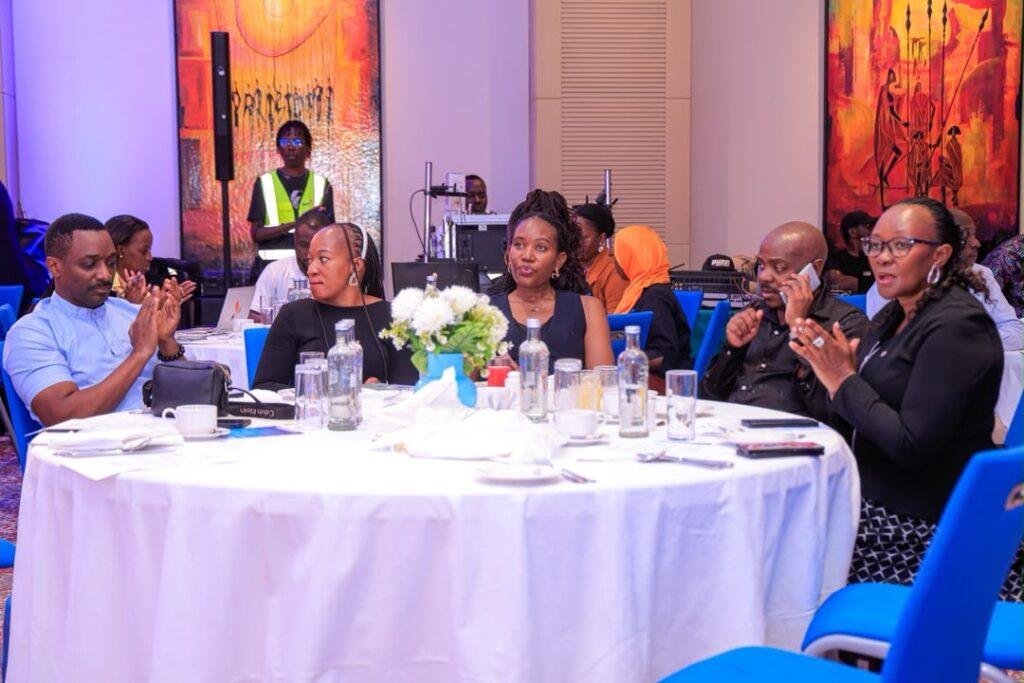
The documentary premiered on Friday, 23 October 2026, at Kampala Serena Hotel. The event brought together stakeholders in drowning prevention, government representatives, filmmakers, and water safety advocates to reflect on the tragedy and discuss lessons for preventing future loss of life.
The film revisits the events of 24 November 2018, when MV Templer capsized on Lake Victoria, killing more than 30 people. Through accounts from survivors, Balance the Boat examines the human cost of the tragedy and the lessons it offers on passenger safety, emergency preparedness and accountability. It seeks to move the conversation beyond remembering those who died to considering what individuals, communities and institutions must do to prevent similar incidents.
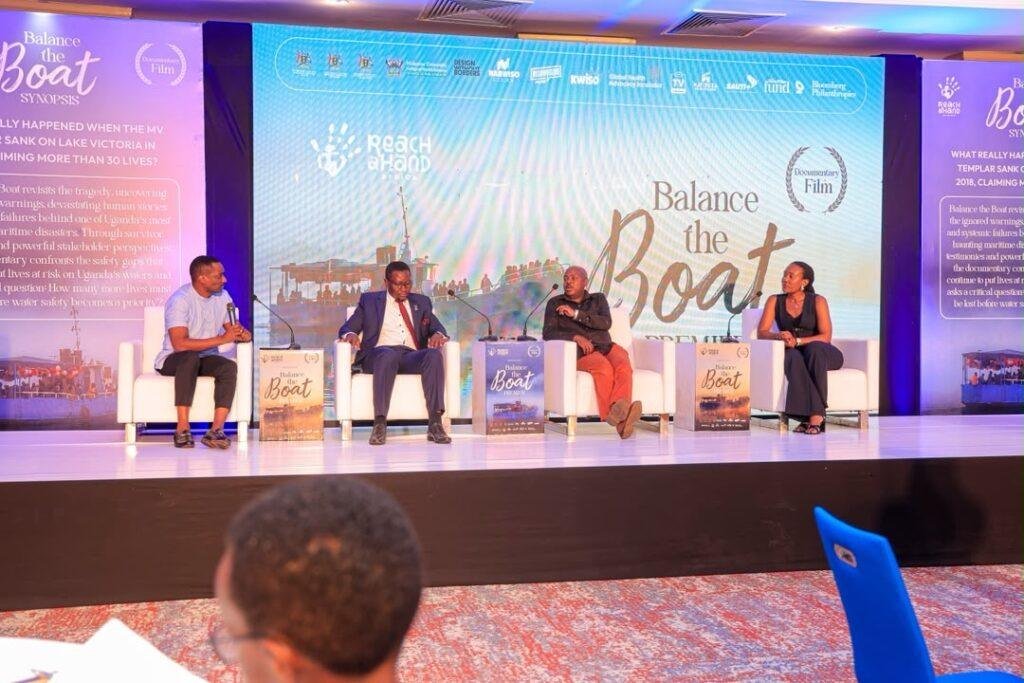
Some of the attendees included survivors who sat on a panel to share their experiences.
RELATED ARTICLES
Samalie Nakazzi, a survivor, said the most difficult part of the tragedy was losing friends and dealing with the judgement survivors faced from people who were not on the boat. She noted that the name “Balance the Boat” had even been turned into a joke by some people.
“Those responsible for operating boats must ensure that the vessels are in good condition and that passengers wear life jackets. I became an advocate for water safety after the tragedy. Everyone must take responsibility for their safety whenever they are on the water,” she said.
Justine Tashobya, another survivor, said the experience changed how they approached water travel.
“We will not get onto a boat unless everyone has a life jacket. We still use the water for professional reasons, but we are much more cautious. Even if I take off my life jacket briefly, I make sure to put it back on as soon as possible. We continue to use the water, but with much greater attention to safety,” Tashobya said.
From those experiences, the film also highlights the importance of practical survival skills and the use of life jackets. Some people survived because they could swim or keep themselves afloat with life jackets on while waiting for rescue. However, individual precautions must be supported by responsible boat operations, compliance with safety regulations, and effective emergency response systems.
For Reach A Hand Africa, the documentary complements the organisation’s Omanyi Okuwuga drowning prevention campaign, which promotes water safety awareness and practical skills to help prevent drowning. The campaign is implemented in Masaka, Mayuge and Rakai, with expansion into Soroti and Serere. Its community-based activities include swimming instruction and water safety training.
Humphrey Nabimanya, the Chief Executive Officer of Reach A Hand Africa, re-emphasised the importance of the documentary: “Balance the Boat” is a reminder of the importance of safety, even when you are already on the boat. Everyone must play their part by ensuring that passengers take the necessary precautions to protect their lives.”
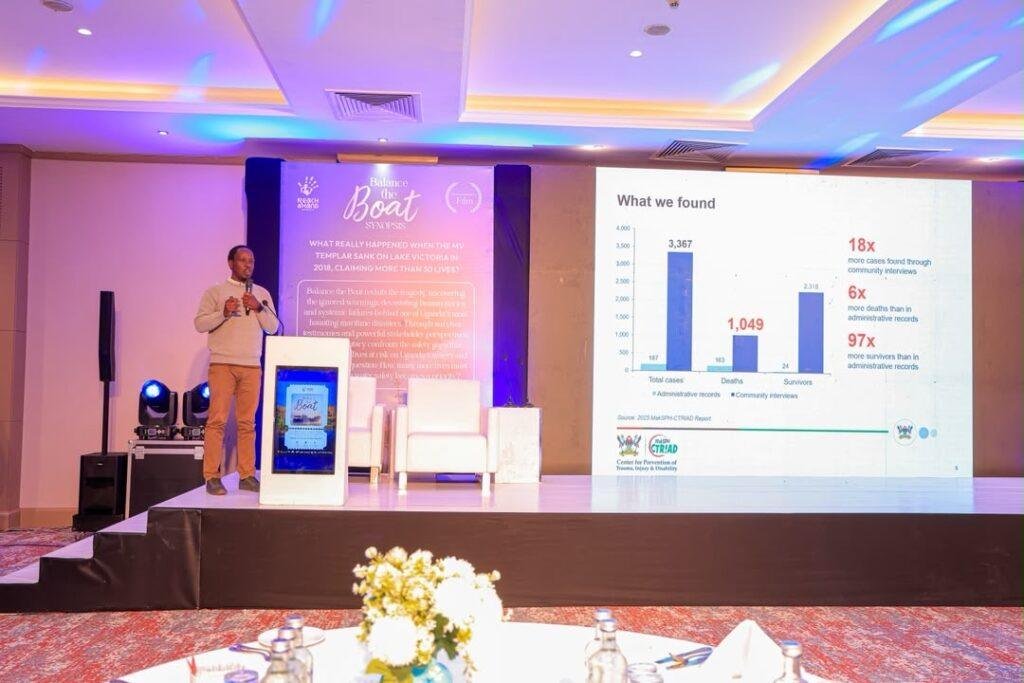
The need for stronger drowning prevention measures is underscored by research from Makerere University School of Public Health, which has highlighted the scale of drowning in Uganda and challenges in documenting incidents.
Dr Frederick Oporia, an injury epidemiologist and drowning prevention researcher at Makerere University School of Public Health, said a study examining drowning cases between January 2016 and June 2018 estimated approximately 2,942 drowning deaths annually, while noting limitations in the data and study coverage.
Okullu Richard, Ag. Commandant Marine Police, said the effectiveness of emergency response remained a concern. “The gap we still have is that the response is not always effective,” he said.
Barnabas Twinomujuni, Senior Marine Licensing Officer and Marine Supervisor at the Ministry of Works and Transport, said the government is working to improve emergency response on major water bodies. “We have boats stationed on major water bodies as part of efforts to address delays in rescue operations,” he said.
For Mathew Nabwiso, the documentary’s producer and director, the process of documenting survivors’ experiences and the importance of telling african story.
The documentary will be available on Kwiso TV, accessible through the MTN TV app on Afromobile. Viewers can download the MTN TV app from Google Play or the Apple App Store and select Kwiso TV to watch.