

TAKEAWAYS
- Security leads sector spending with Shs10.21 trillion, followed by transport infrastructure at Shs8.79 trillion.
- Education and health receive Shs11.89 trillion combined, highlighting their importance in service delivery.
- Debt obligations exceed Shs19 trillion, showing the significant burden of debt repayment and refinancing on public finances.
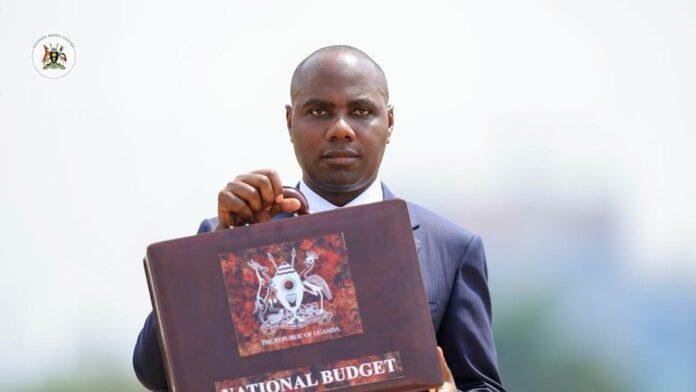
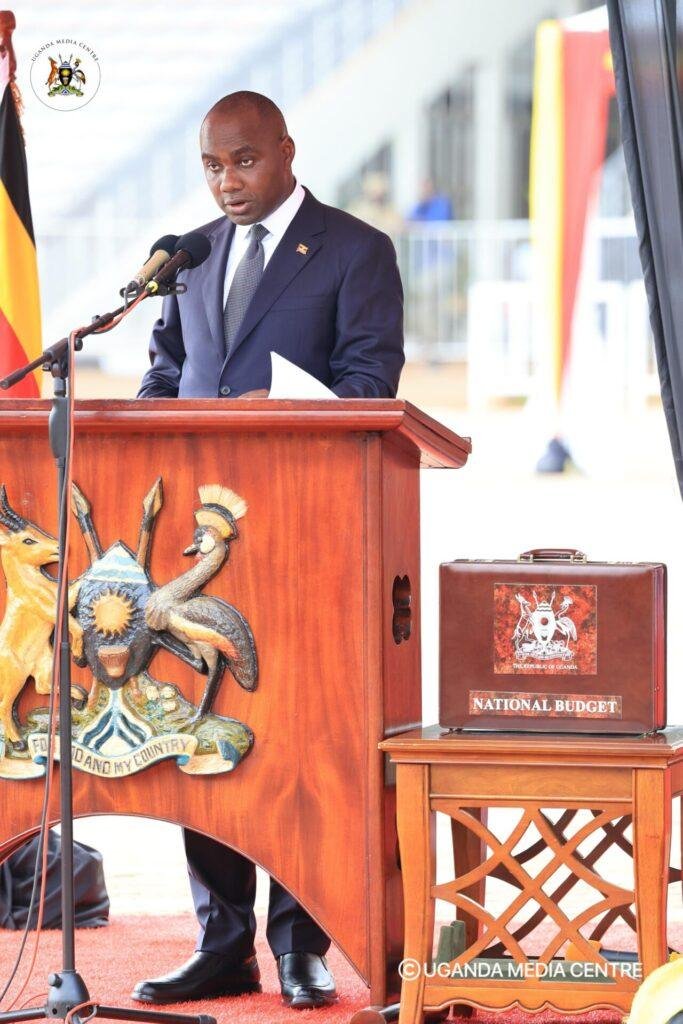
Uganda yesterday unveiled its Shs84.3 trillion budget for the 2026/27 financial year, setting out the government’s spending priorities for the year ahead.
A look at the figures shows that security, transport infrastructure, education, and health remain among the biggest beneficiaries, while government continues to allocate significant resources toward debt repayment and public service operations.
The Biggest Sector Allocations
Security — Shs10.21 trillion
Security remains the single largest sector allocation, reflecting government’s continued focus on maintaining stability and protecting national interests.
RELATED ARTICLES
Transport Infrastructure — Shs8.79 trillion
A large portion of the budget will go toward roads, bridges, and transport networks aimed at improving connectivity and supporting economic growth.
Education — Shs6.66 trillion
Education remains one of the government’s top priorities, with funding expected to support schools, universities, teacher recruitment, and learning materials.
Health — Shs5.23 trillion
The health sector receives more than Shs5 trillion to strengthen hospitals, health centres, medical supplies, and healthcare services nationwide.
Wealth Creation and Production
Government has continued investing heavily in programmes intended to boost household incomes and production.
- Wealth Creation Programmes — Shs2.49 trillion
- Agro-Industrialisation — Shs2.26 trillion
- Energy Development — Shs2.07 trillion
These allocations are expected to support agriculture, industrial growth, electricity expansion, and job creation.
Technology and Industry
Uganda’s push toward industrialisation and the digital economy is reflected in funding for:
- Science, Technology, Innovation, ICT and Creative Industries — Shs1.14 trillion
- Manufacturing and Industrial Development — Shs1.03 trillion
- Mineral-Based Industrial Development — Shs473.5 billion
Tourism Gets Shs567 Billion
Tourism, one of Uganda’s leading foreign exchange earners, has been allocated Shs567.3 billion to support sector growth, marketing, conservation, and tourism infrastructure.
Governance and Justice
- Legislation and Oversight — Shs1.23 trillion
- Administration of Justice — Shs665.6 billion
These funds will support Parliament, courts, and institutions responsible for governance and accountability.
Disaster Preparedness
Government has allocated:
- Disaster Management — Shs494.1 billion
- Contingency Fund — Shs361.9 billion
The money is intended to strengthen emergency response and preparedness for disasters.
Government’s Running Costs
Beyond sector spending, a significant portion of the budget will go toward maintaining government operations.
- Non-wage recurrent expenditure — Shs33.28 trillion
- Wages and salaries — Shs9.71 trillion
- Development expenditure — Shs22.05 trillion
Debt Still Takes a Big Share
Debt obligations continue to consume a large portion of public finances.
- Domestic debt refinancing — Shs13.97 trillion
- Debt amortisation — Shs4.18 trillion
- Domestic debt repayment to Bank of Uganda — Shs547 billion
- Domestic arrears — Shs317 billion
The figures underline the growing cost of servicing and managing Uganda’s debt while financing development programmes.
The 2026/27 budget shows government’s continued emphasis on security, infrastructure development, education, healthcare, and wealth creation. At the same time, debt repayment remains one of the biggest pressures on public finances, taking up trillions that could otherwise be directed toward service delivery and development projects.